The Departmental Trainer Digital-Credential Pathway
5 Credentials
The Departmental Trainer Digital-Credential Pathway is a progressive development journey designed to recognize excellence in training and inspire continuous growth. Through five credential levels, trainers advance from foundational facilitation to strategic influence, building capability, demonstrating impact, and elevating learning quality. More than a credential, it is a roadmap for growth, recognition, and meaningful contribution to organizational excellence.
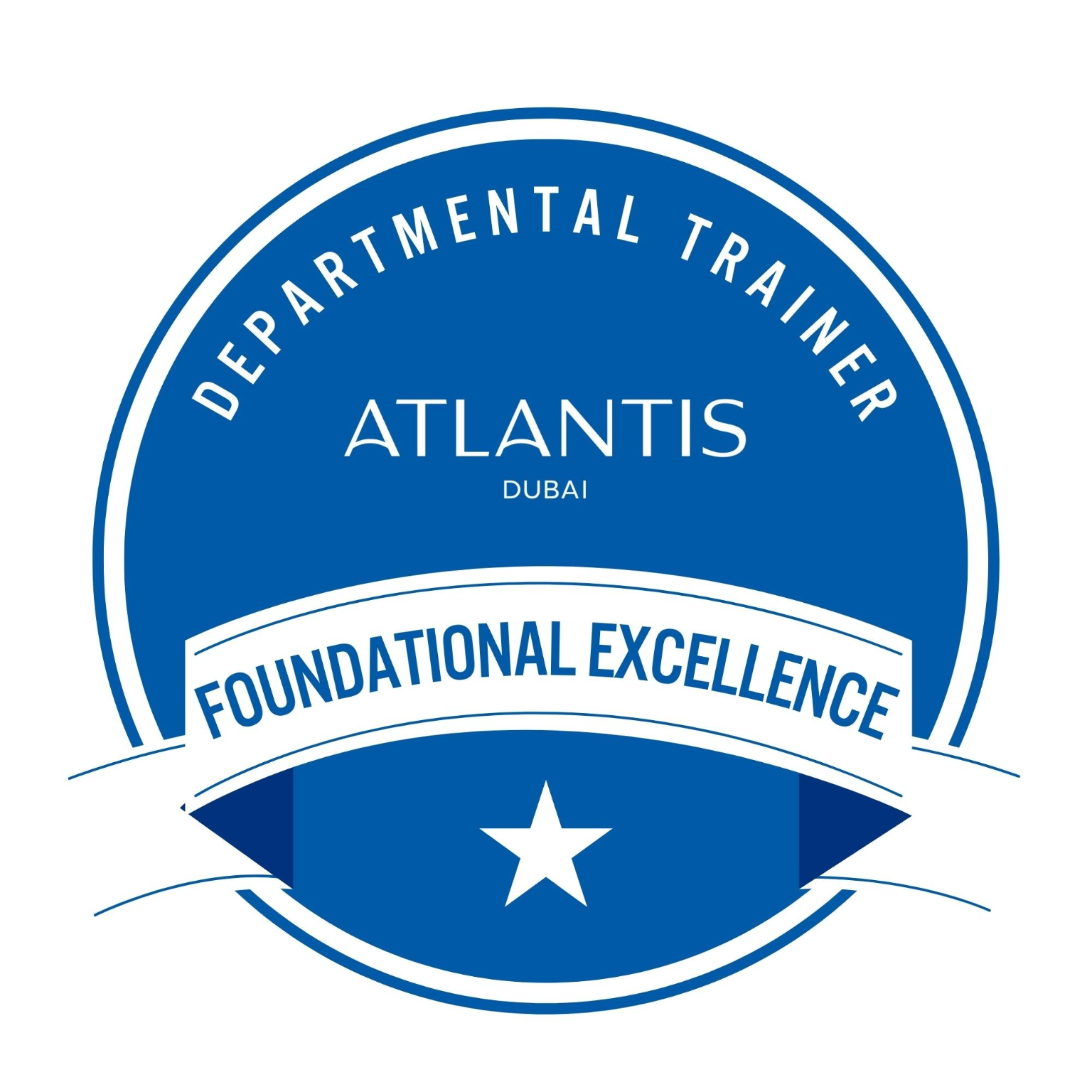
Awarded to trainers who consistently deliver structured training sessions, applying foundational facilitation skills while meeting required standards and processes.
• Structured Training Delivery: Delivers organised sessions with clear objectives, logical sequencing and appropriate use of training materials.
• Core Training Principles: Applies essential learning principles and follows approved SOPs and training standards.
• Clear Communication: Explains information accurately and uses clear, professional language.
• Basic Learner Interaction: Uses simple questions and activities to encourage participation and check understanding.
• Training Administration & Compliance: Maintains accurate attendance, documentation and training records within required timelines.
2
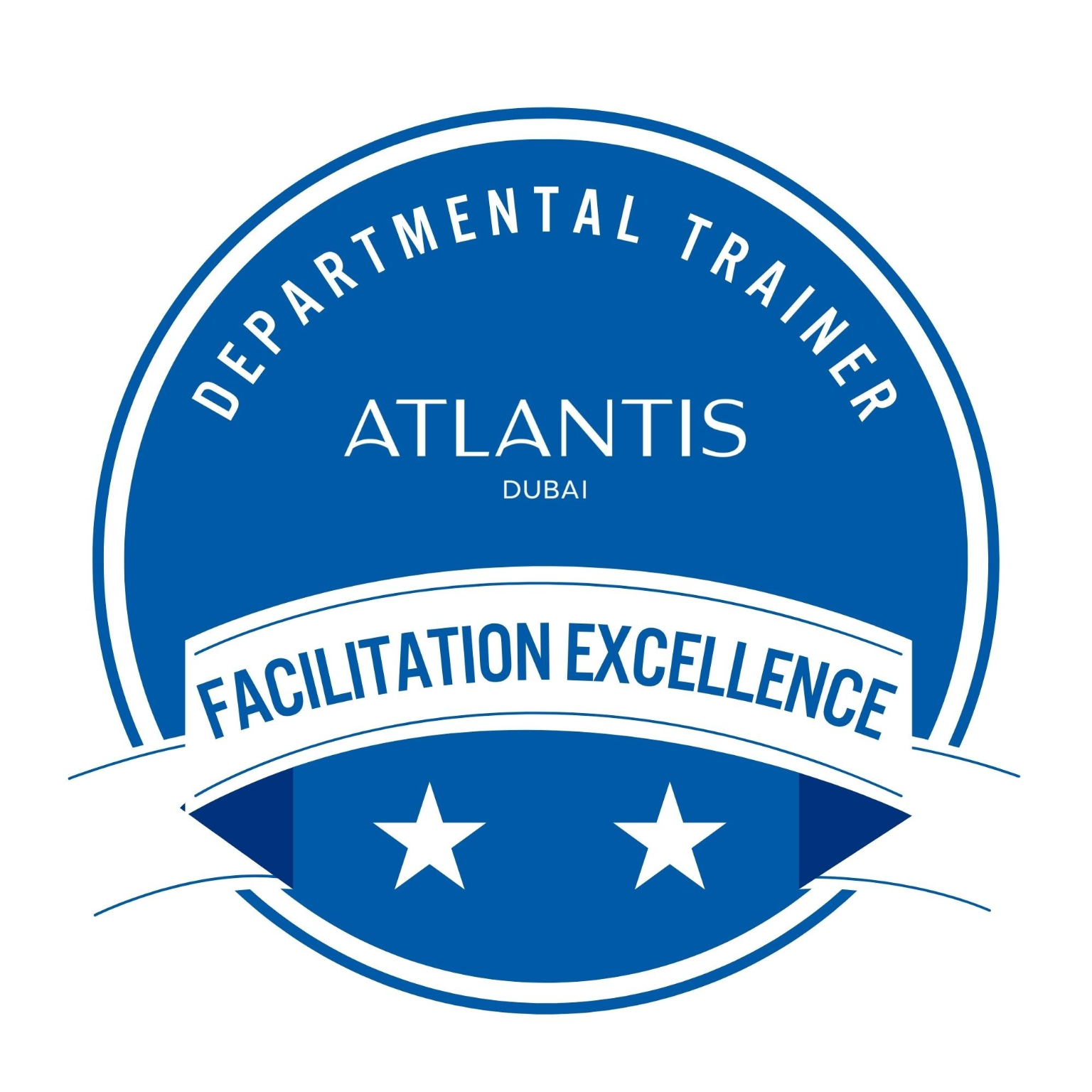
Awarded to trainers who demonstrate confident facilitation, improved training quality, and the ability to adapt delivery based on feedback and learner needs.
• Adaptive Facilitation: Adjusts delivery methods, pace and explanations based on learner needs and feedback.
• Learner-Centred Delivery: Connects content to participants’ roles, experiences and workplace responsibilities.
• Questioning & Discussion Techniques: Uses effective questions and structured discussions to encourage participation and reflection.
• Feedback Application: Actively seeks feedback and demonstrates visible improvement in subsequent sessions.
• Audience Communication: Adapts communication style and delivery approach for different learner groups.
3
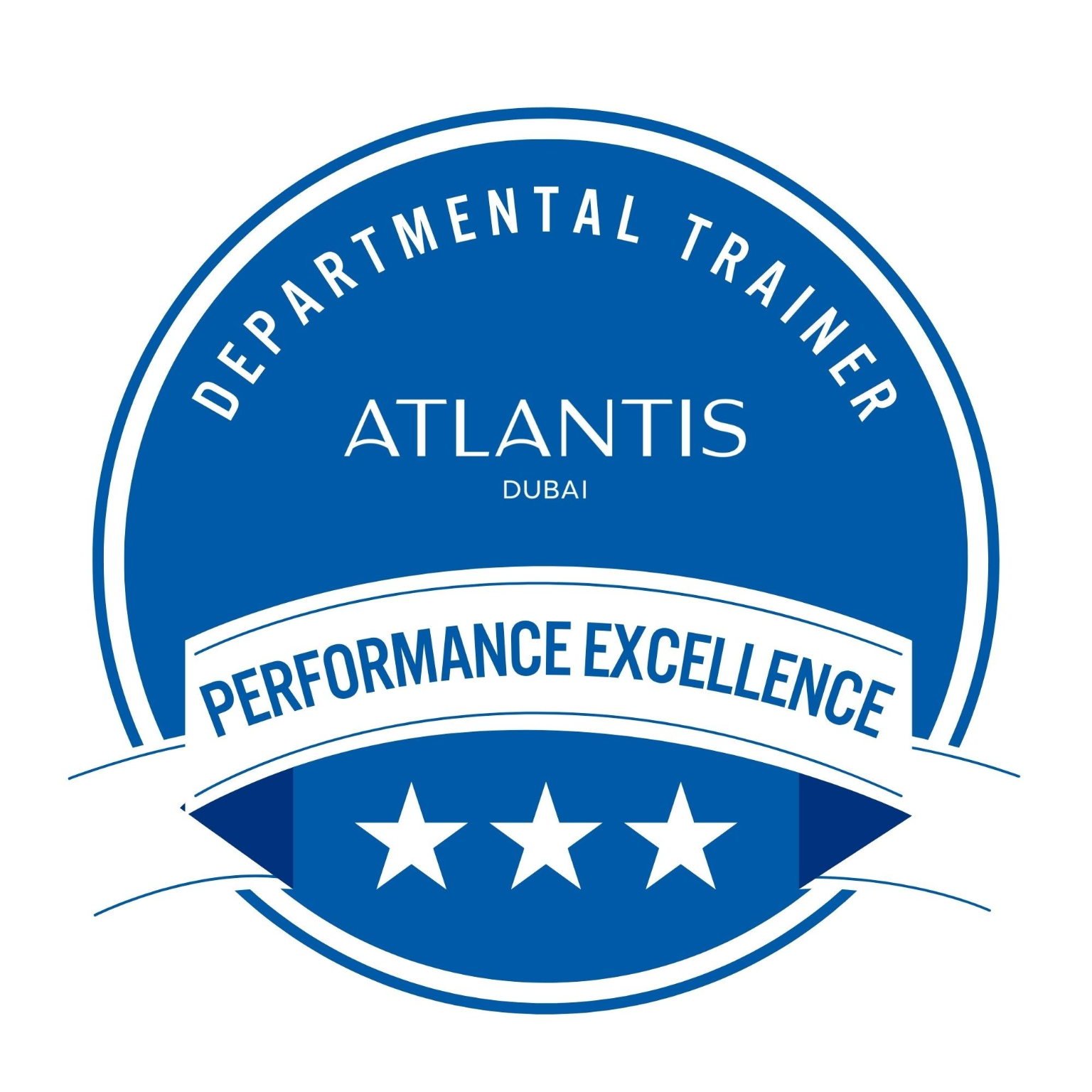
Awarded to trainers who consistently deliver highquality, engaging training with strong performance and visible contribution.
• High-Impact Facilitation: Delivers confident, polished and engaging sessions that consistently meet quality standards.
• Group Engagement & Energy: Creates dynamic learning environments and maintains participation throughout the session.
• Learning Experience Management: Effectively manages activities, timing, transitions, questions and group dynamics.
• Delivery Quality & Consistency: Maintains strong participant feedback and dependable performance across multiple sessions.
• Reflective Practice: Evaluates personal performance, identifies development opportunities and continuously improves delivery.
4
Awarded to trainers who deliver advanced training with strong learning application, driving clear improvements in performance and training effectiveness.
• Learning Transfer: Ensures learning is applied in the workplace and supports measurable changes in behaviour or performance.
• Performance Improvement: Uses training to address departmental capability gaps and operational challenges.
• Advanced Facilitation: Facilitates complex sessions, manages diverse learners and confidently handles challenging situations.
• Training Project Design: Designs and implements learning projects that address identified business needs.
• Peer Support & Knowledge Sharing: Co-facilitates, shares best practices and supports the development of other trainers.
Pathway Completed – Congratulations, You Did It!
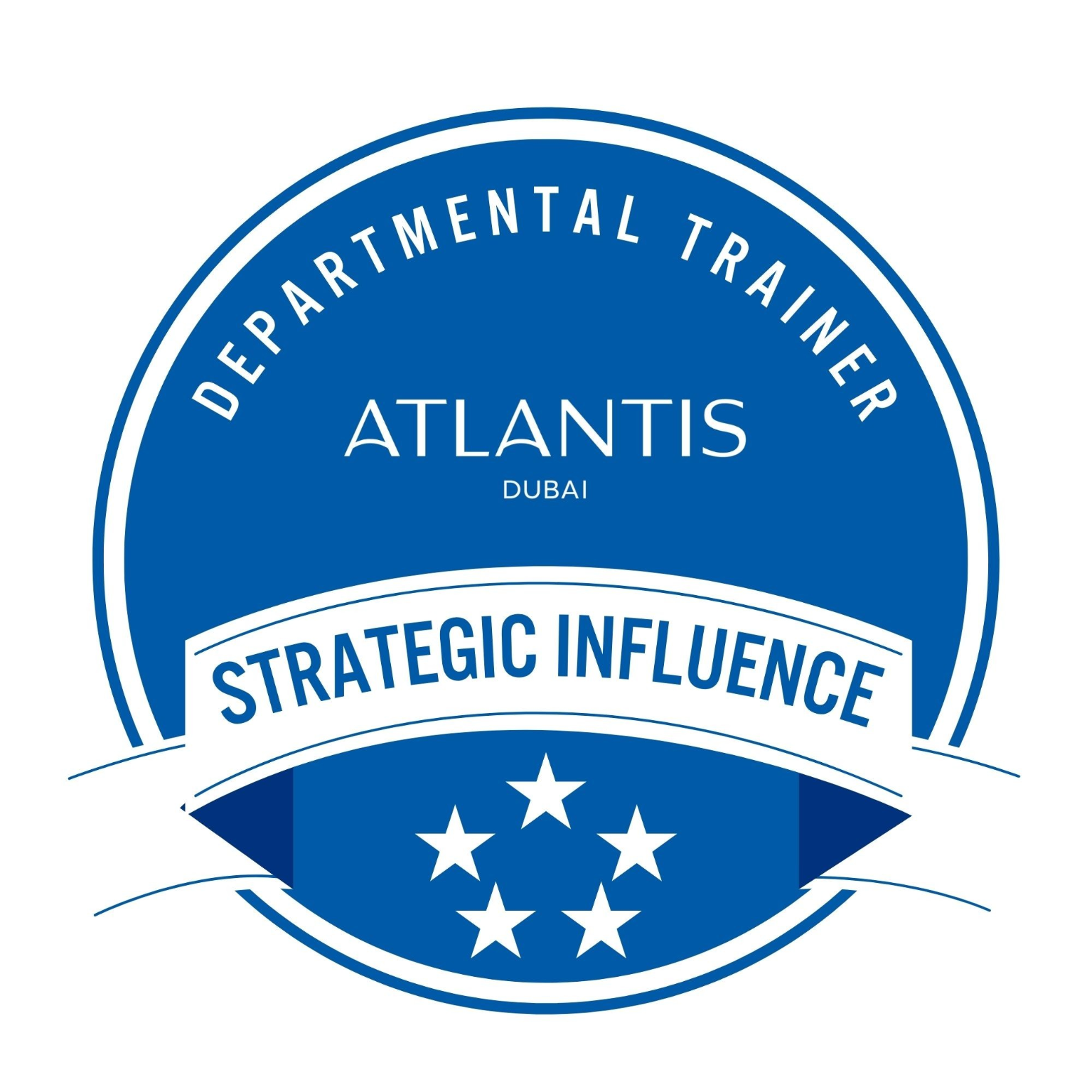
Awarded to trainers who lead high-impact learning initiatives, influence performance across departments, and drive measurable organisational outcomes.
• Learning Strategy Alignment: Aligns learning initiatives with departmental priorities, business objectives and organisational needs.
• Organisational Influence: Uses credibility, evidence and stakeholder relationships to influence learning and performance decisions.
• Cross-Department Collaboration: Leads or supports learning initiatives across departments and promotes consistent standards.
• Coaching & Capability Building: Coaches and mentors trainers to strengthen the wider Departmental Trainer community.
• Learning Innovation & Culture: Introduces new learning approaches, promotes continuous development and contributes to a strong learning culture.